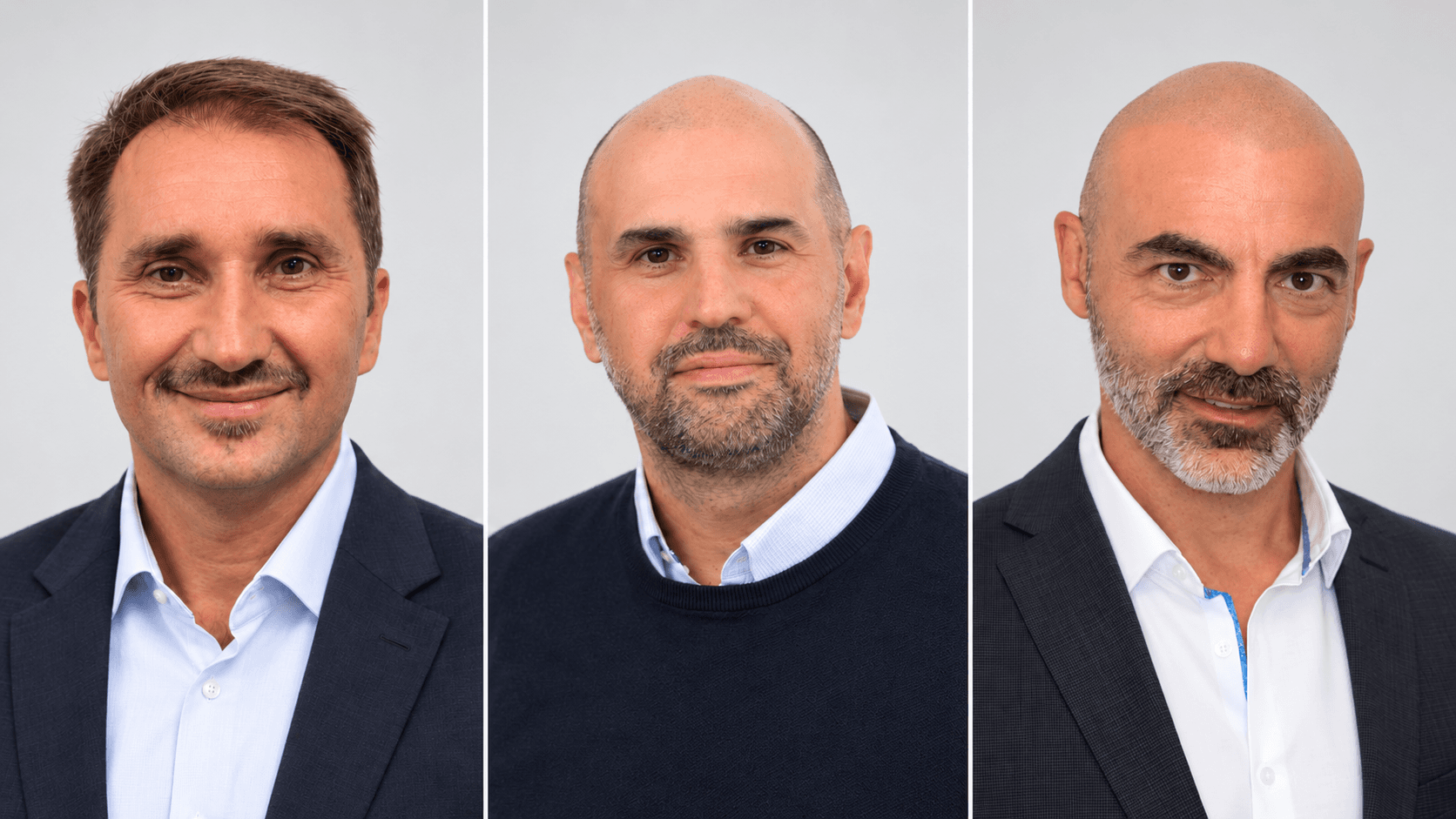

Munich Startup: What does Twinu do? What problem are you solving?
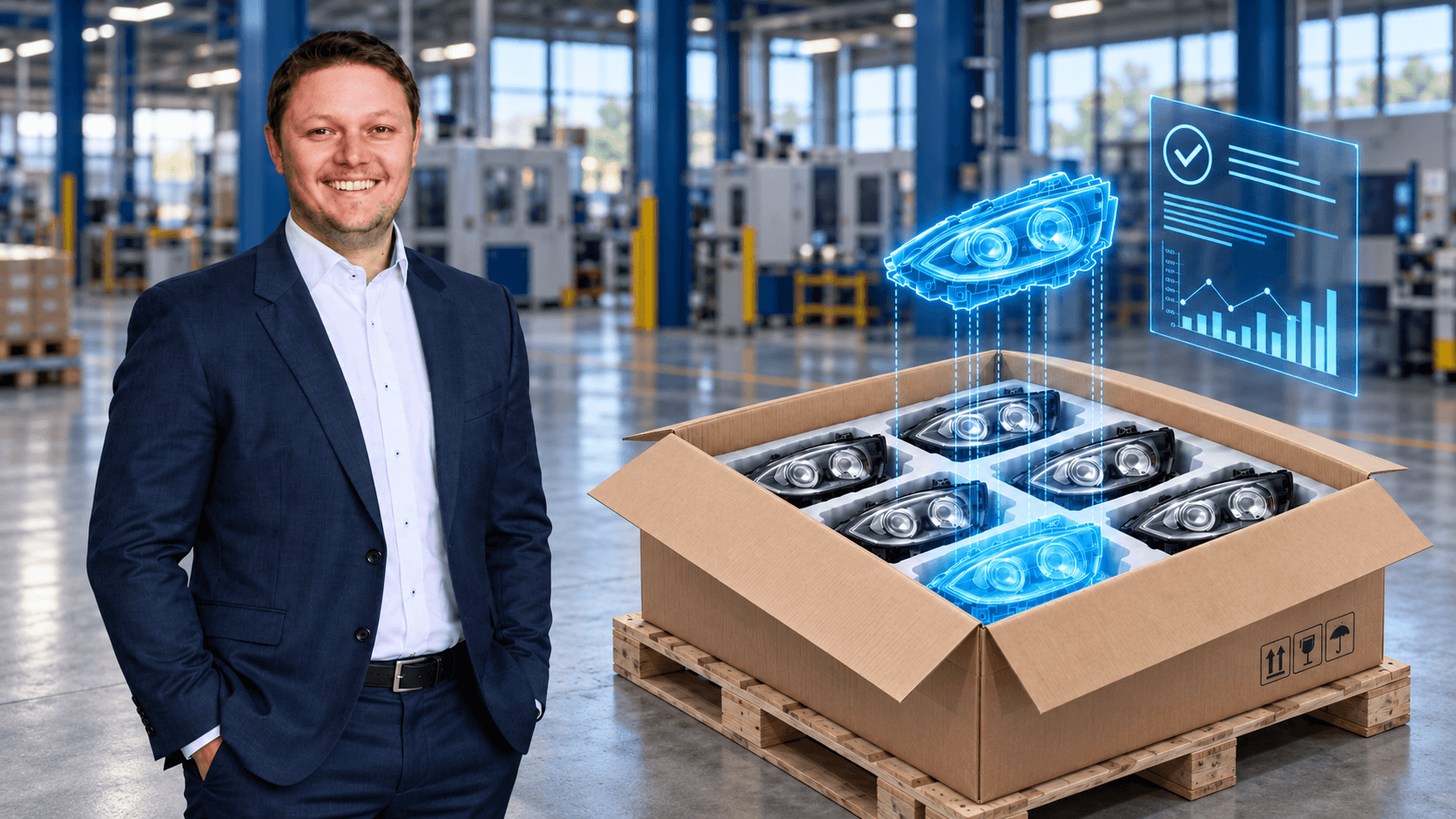
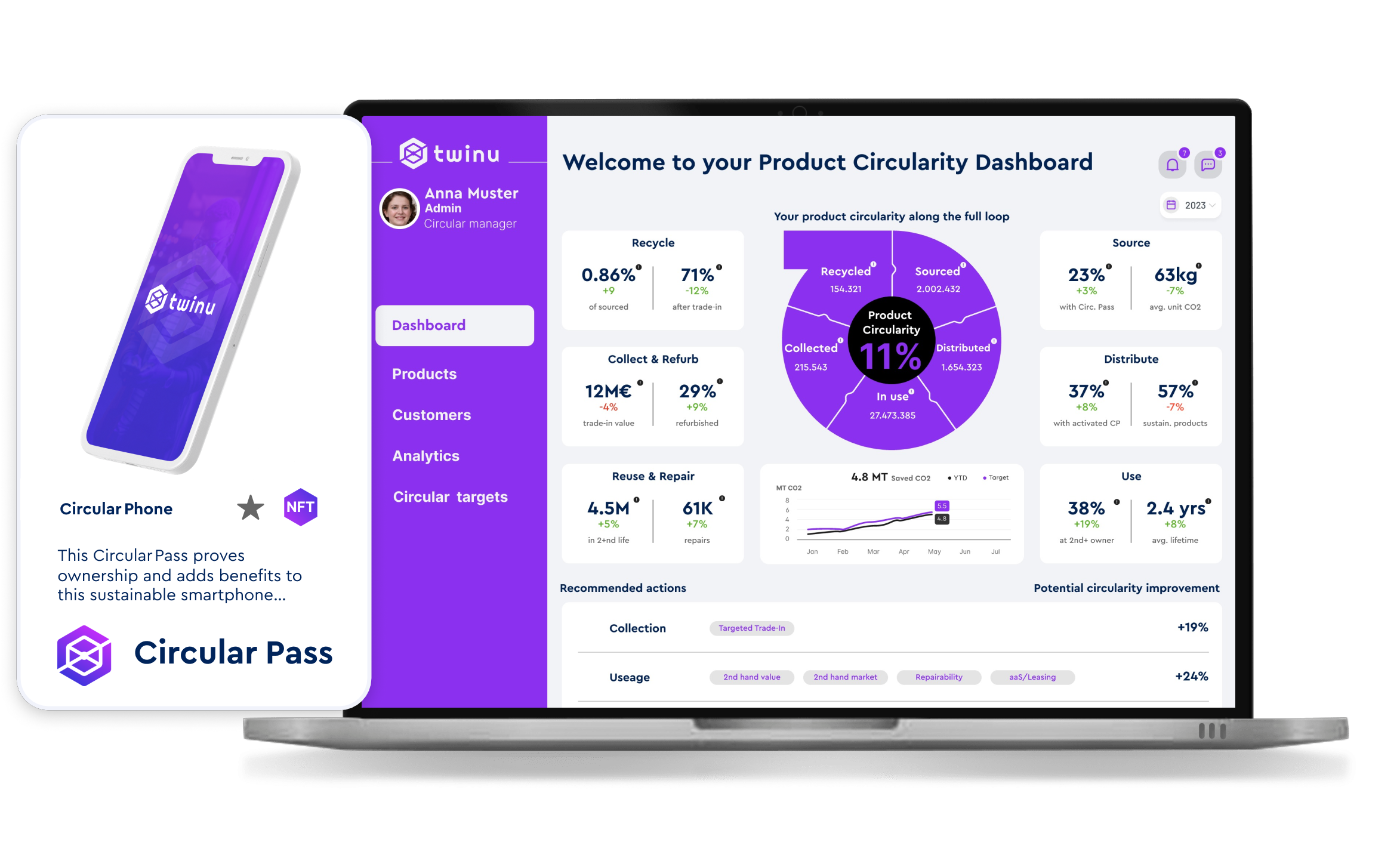
Christian Adler, Twinu: We help manufacturers and brands of physical products successfully navigate the transformation from a linear to a circular economy. With our software solution, companies can measure the circularity of their products and improve them in a targeted way. This refers to how long and well they can keep their products in circulation (even across multiple users) before they are eventually collected and recycled. The longer a product lasts and the more people use it, the better for the environment. This also includes transparency about important product materials and properties, so that products can be used more sustainably, repaired, and valuable materials reused. More and more companies have recognized this and are looking for appropriate digital solutions. In addition, there is EU regulation from the ‘Green Deal’ that is meant to promote exactly these improvements: the Digital Product Passport. It will become mandatory for almost every product category over the coming years.
Munich Startup: But that’s already existed for a long time!
Christian Adler, Twinu: Unfortunately not, otherwise our world would already be more circular and we wouldn’t receive so many inquiries from companies desperately searching for circular economy solutions. The transformation to a circular economy is probably the biggest transformation our economy has ever undergone. For thousands of years and until today, we humans have operated “linearly” by mining raw materials, manufacturing products, using them (mostly too briefly), and ultimately disposing of them (usually by burning or dumping them in landfills). This must change if we want to protect our climate. Approximately half of CO2 emissions come from the production and consumption of physical products.
Positive impact of digital twins
Munich Startup: What’s your founding story?
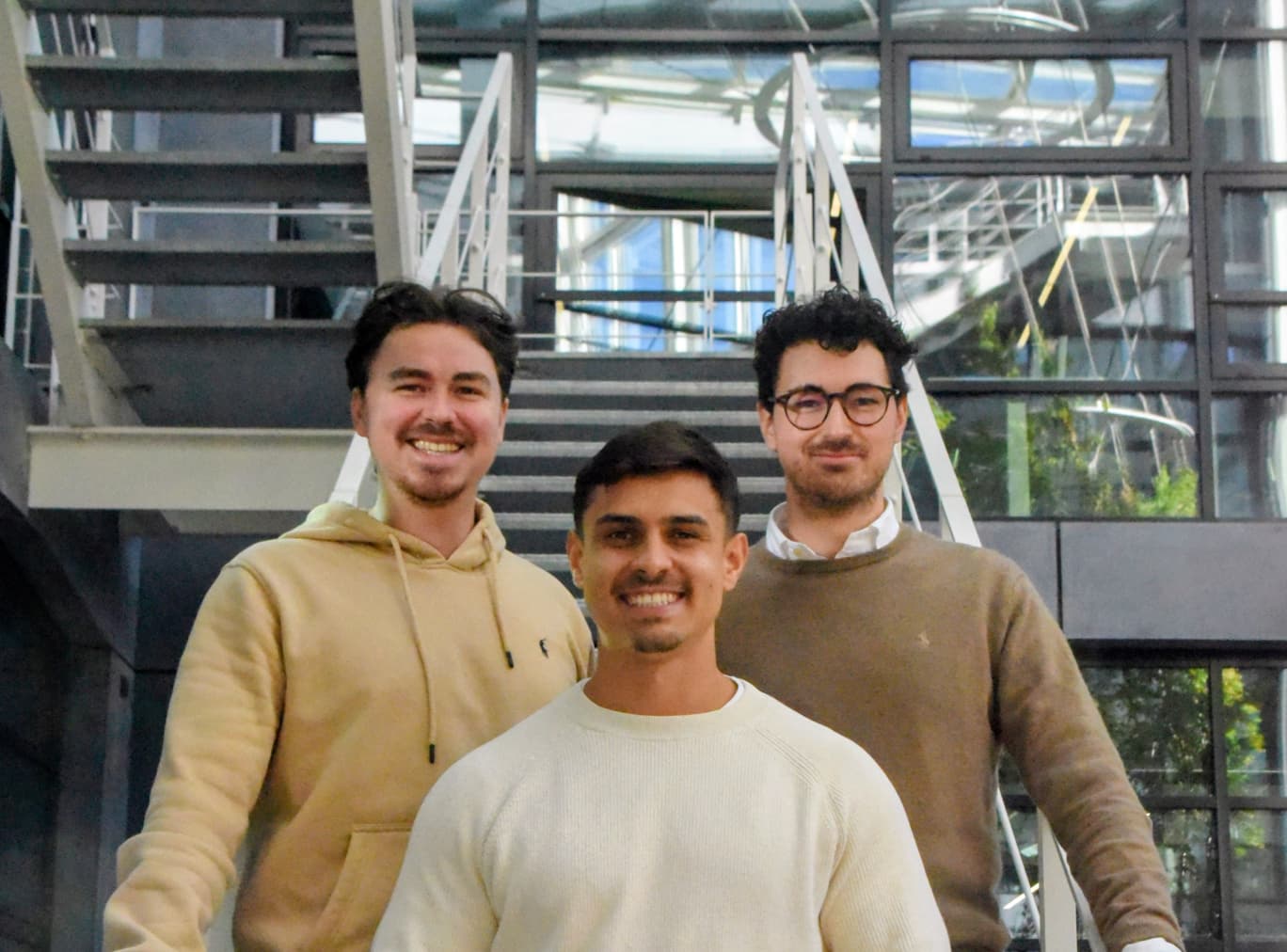
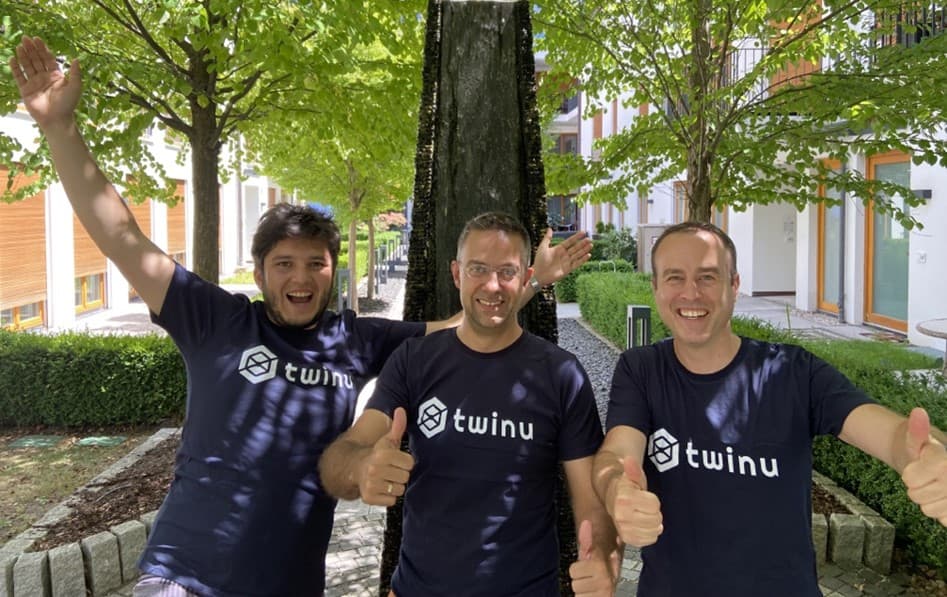
Christian Adler, Twinu: We are three founders and digital experts who have known each other for many years, partly from jobs in consulting and partly from university (CDTM). Based on our professional experience, we decided to expand the use of digital twins to applications beyond product development and manufacturing in companies. For this, we developed unique technology, filed a patent, and simultaneously tested numerous possible use cases with customers and companies. It quickly became clear that our digital twins have their greatest “impact” for people, the environment, companies, and our startup in the circular economy.
Munich Startup: What have been your biggest challenges so far?
Christian Adler, Twinu: Our technology and solution is primarily based on digital twins and AI and is very flexible to use. You can solve many problems across many industries with it. As a startup, however, you must quickly focus on your niche with the greatest impact. That always sounds simpler in theory than it is in practice when you continue to receive inquiries for other problem areas from various industries and sometimes have to say “no”. But we’ve managed it successfully and clearly defined and focused on our “circularity sweet spot”.
Munich Startup: Where do you want to be in one year, and where in five years?
Christian Adler, Twinu: In one year, we will have successfully rolled out our current projects in our focus industries, especially electronics, furniture, and textiles. Additionally, we will have completed our certification process regarding our own social and environmental impact. In five years, we see ourselves as the leading provider of digital product passports and digital product twins, which make physical products not only more sustainable but also functionally better.
Good mix of science, business, and startup ecosystem
Munich Startup: How have you experienced Munich as a startup location so far?
Christian Adler, Twinu: With its universities, CDTM, UnternehmerTUM, and many other institutions and strong companies, Munich offers a very good mix of science, business, and startup ecosystem. Regarding our core topic “circularity,” more and more is happening in Munich, for example within the framework of the Circular Republic. We also receive a lot of support from the Landeshauptstadt München as a startup in the form of numerous startup offerings, but also through Munich’s net-zero goal for 2035, which underscores the necessity of our solution for product circularity and many other initiatives in the Munich area.
Munich Startup: Risk or security?
Christian Adler, Twinu: Definitely risk! Startups don’t exist without risk. Otherwise, it’s not a startup and you don’t create anything truly new. Or as a former American race driver once said: “If you are not scared, then you are not driving fast enough.”