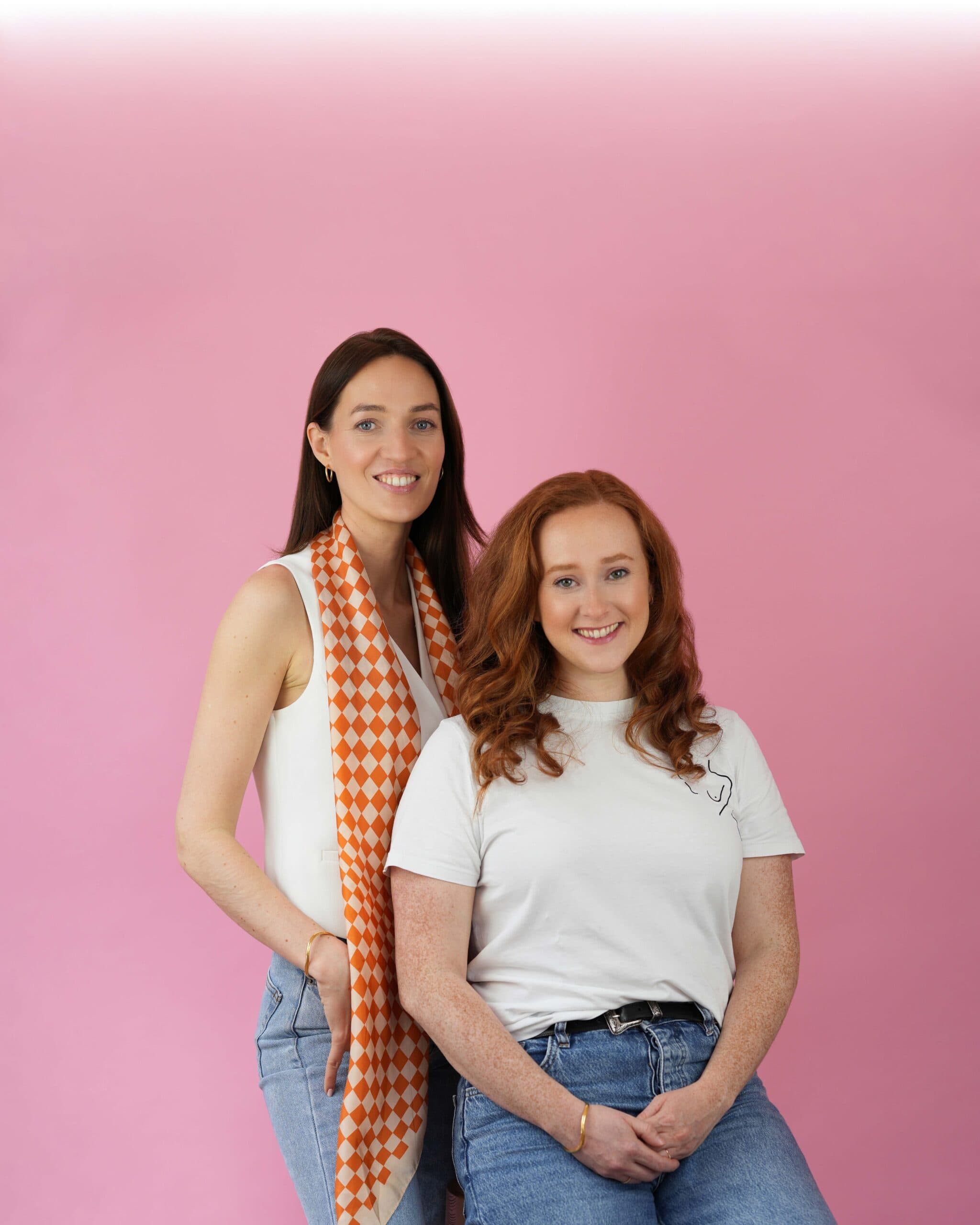

Munich Startup: What motivated you to found Dais?
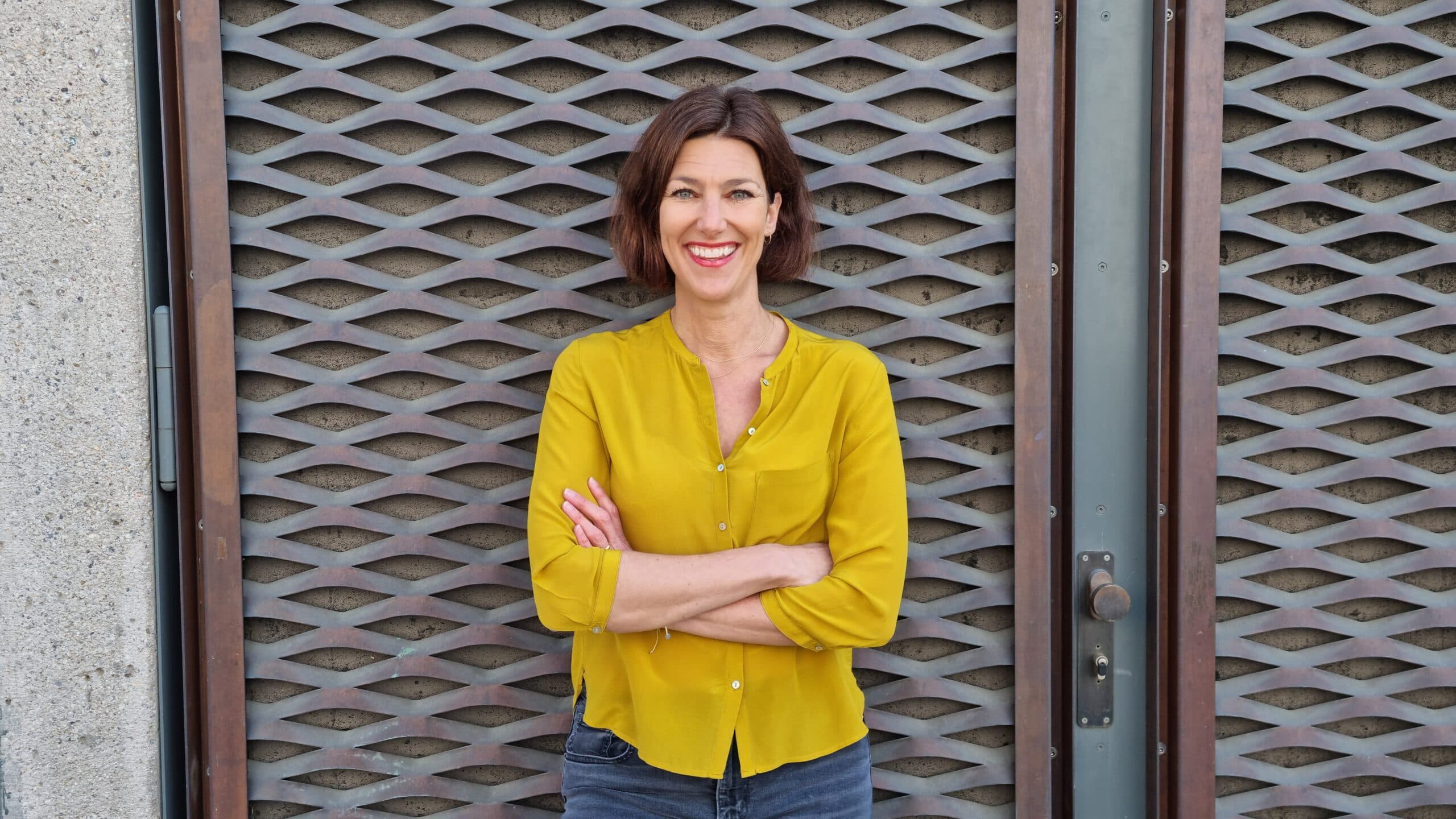
Eva Bodenmüller: Above all, we were driven by the desire to build our own brand with our own values and, ideally, get it into drugstores. Earlier in our careers, we had helped brands grow for drugstores, but always for someone else. This time, we wanted to do it with our own values.
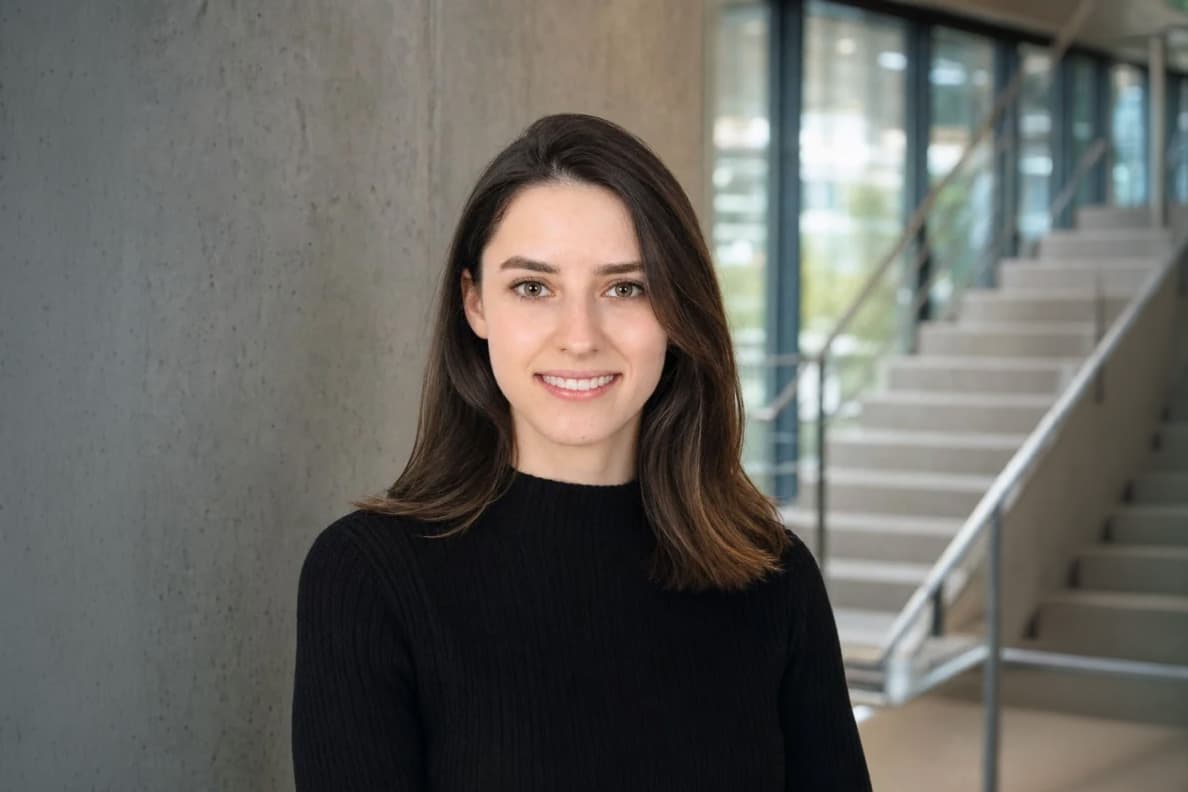
Grace Forsyth: On top of that, there was a certain mindset: We’re both people who always put everything into their work and want to take on as much responsibility as possible. But as an employee, there comes a point where that’s no longer possible. You can’t take on more responsibility than you’re given. But we wanted to be part of the whole story, part of every decision. That’s exactly the point we both reached at our previous company, and that prompted us to find the next step for ourselves—which was to start our own business instead of simply moving on to the next brand.
Munich Startup: What do you wish you had known before founding your first startup?
Eva Bodenmüller: What I found most difficult to grasp was that you never really arrive at your destination. In the beginning, I thought that once we made it onto the shelves at dm, for example, we’d finally be there and completely happy. By now I know: That was just one phase, an important milestone. But after that, things simply keep going. The fact that new doubts arise in every new phase is completely normal.
Grace Forsyth: To some extent, we anticipated what was in store for us because we saw firsthand what the founders of our former company went through. Even so, you take a lot of things more personally than you’d think—almost like with your own child. When someone criticizes your company, you become really defensive and protective. We were aware of this emotional attachment, but in the end, it’s even tougher than you would have expected.
Eva Bodenmüller: And—it’s almost impossible not to think about it, even on weekends. That’s not a bad thing at all, because we really enjoy it, but completely switching off, going on vacation for two weeks, and letting go of the company for that time simply isn’t an option anymore.
Two Funding Rounds and Profitable Growth at Dais
Munich Startup: How has your company been funded so far?
Eva Bodenmüller: We’ve completed two funding rounds so far: a pre-seed round right at the beginning, and later on we raised capital once more. So we are externally funded: We have a VC on board as well as several business angels, some of whom come from the industry themselves and can therefore genuinely help us. Nevertheless, the majority of the company still belongs to the three of us founders.
Grace Forsyth: We operate profitably or at least break even every year. So we never withdraw money from the company, but instead reinvest it continuously. For cash flow management, we also use bank overdraft facilities, which help us when, for example, we need to purchase inventory.
Munich Startup: When and where do you get your best ideas?
Eva Bodenmüller: In the shower, or generally in places where I can’t do anything else besides, for instance, washing my hair. Anywhere my head clears up a bit, ideas start bubbling up.
Grace Forsyth: While jogging, for the same reason. My showers are simply too short—not a single idea comes together in 30 seconds.
Munich Startup: What are your 3 favorite work tools?
Notion, Canva, and Claude. They accompany us the most in our day-to-day work.
Pitching as a Female Founder: Confidence Trumps Big Ideas
Munich Startup: Your top tip for pitching?
Grace Forsyth: Confidence. Be bloody confident and sell yourself. Especially in the beginning, it’s much more about you as a founder and only secondarily about the product. That applies regardless of who you’re pitching to – investors, retailers, or anyone you’re trying to do a deal with: always sell yourself too.
Eva Bodenmüller: Also think about how you can demonstrate that you’re an executor. Anyone can have big ideas nowadays, especially with AI, but it’s all about actually executing them. And that’s exactly what investors want to see these days.
Munich Startup: Does now feel like a good time to start a business? Why?
Grace Forsyth: It’s a bit like having a baby: There’s actually never a perfect time to start a company, unless you happen to found one right in the middle of a crisis like Covid. If you’re constantly thinking about whether now is the right moment, you’re really just delaying. What matters isn’t the timing, but how much work and how much passion you put into it. Not whether it’s this month or in three months.
Eva Bodenmüller: And if you’re planning to start a company anyway: Just do it. We’ve certainly never regretted it.
Munich Startup: Which technology or industry would you bet on for your next venture?
Eva Bodenmüller: FMCG, forever. It would be hard for us to move away from consumer goods. For that, it simply has to be a true passion, otherwise the connection is missing to really give it your all. Technology alone would definitely not be an option for us.
Grace Forsyth: That joy when you hold the physical product in your hands for the first time—we just can’t imagine that with a pure technology or service.
Munich as a Startup Hub: More Genuine Exchange Instead of Networking Events
Munich Startup: From your perspective, what could still be improved in Munich as a startup hub?
Grace Forsyth: There are already quite a few startup communities in Munich, but we’re still missing that casual, informal exchange. Classic meetups where people genuinely want to share ideas and connect.
Eva Bodenmüller: In Berlin, that’s much more of a given: When we started out there, our pitch deck spread like wildfire; everyone just forwarded it on. Here in Munich, it was a bit more complicated. While the founder community overall has definitely grown significantly, we’re still lacking that exact informal, casual exchange here compared to Berlin.
Munich Startup: Which founder would you love to meet in person? And what would you ask them?
Grace Forsyth: Emma Grede. She always says that she outsources the small things to focus on the big topics, and in her “Day in the Life” vlogs, she shows how she goes from meeting to meeting, still works out in the morning, and yet finds time for her family. I’d be interested to know how she pulls that off in practice—meaning, what specific steps she takes to keep the small tasks off her plate. Personal assistant? People helping her at home? Specific AI tools? I’d just ask her very practically: What is the first step to delegating so much of your workload that everything really comes together in the end?
Eva Bodenmüller: For me, that would be Verena Pausder. I recently listened to a podcast with her where she explains how she organizes her everyday life, and I find parts of it almost absurdly efficient, even if I can’t quite relate to all of it yet. For me, it’s not at all about self-optimization at any cost, but rather about understanding how to make more out of less time and make things more efficient overall. Especially when you hear how others are now building their own agents that work really well, I’d love someone to take me by the hand, show me, and explain it—and I think Verena would be just the right person for that.