
PITCH & PEOPLE Folge 21: Ubimaster
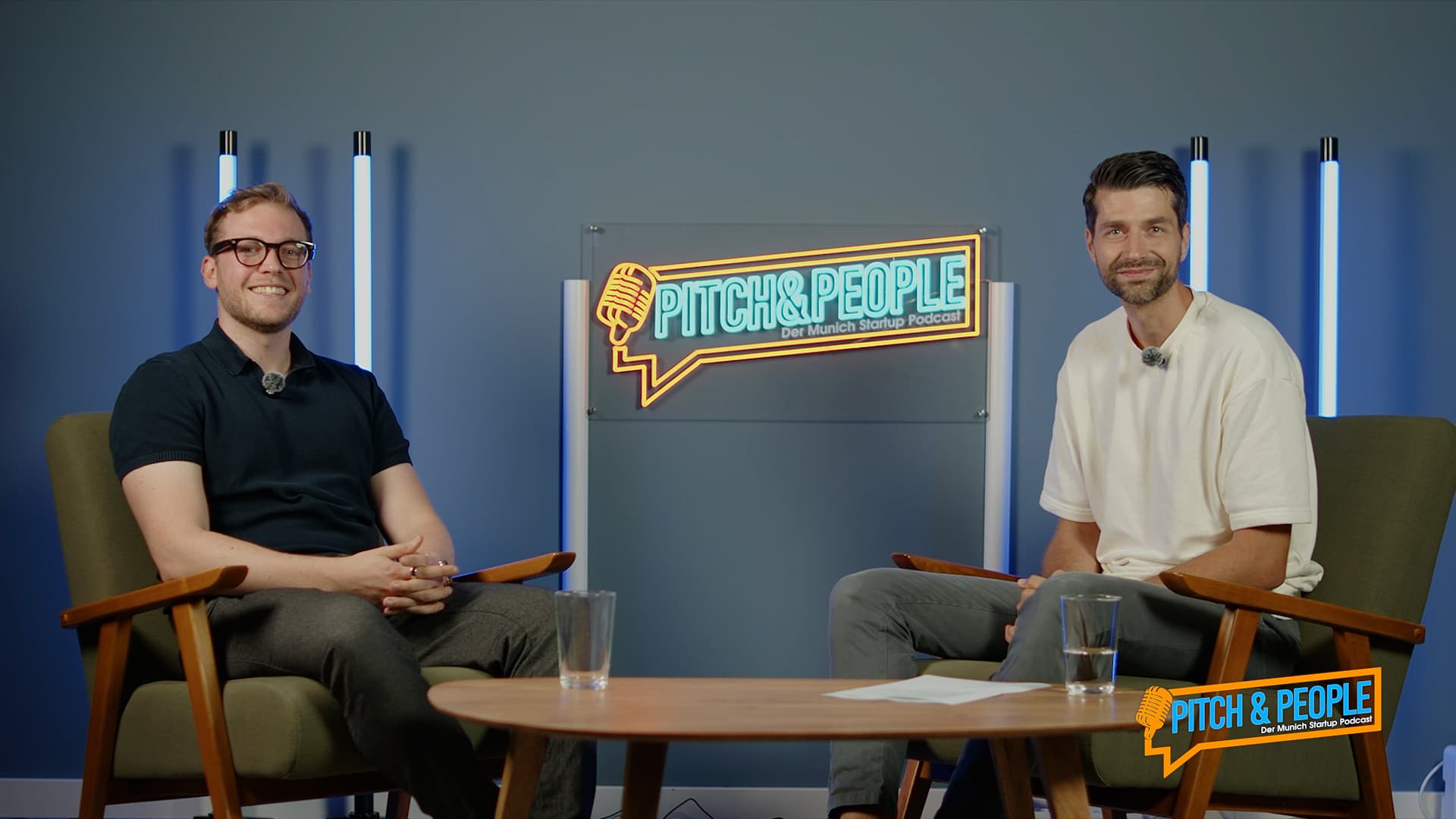
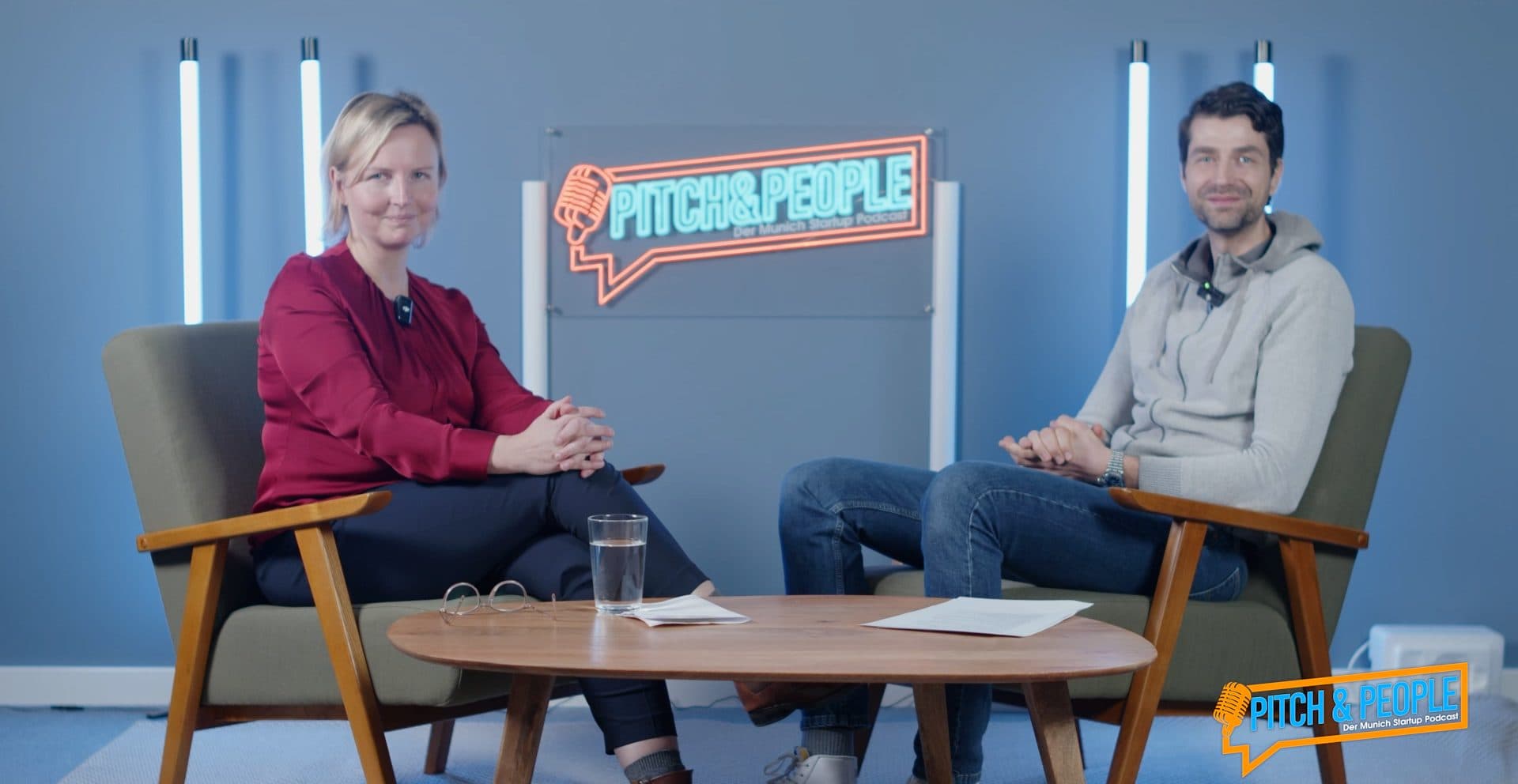
Education determines life chances and in Germany is still strongly dependent on social background. That’s exactly what Jana Krotsch wanted to change. In 2018, she founded Ubimaster – with an idea that originated at her own kitchen table and today reaches hundreds of thousands of students. In the Pitch & People video podcast, the founder and CEO talks about courage, perseverance, and why she gave up her secure job to rethink education.


Jana Krotsch, CEO of Ubimaster, is the mother of three school-age children. The everyday reality: traditional tutoring with fixed appointments, lots of coordination effort, and little flexibility. In the evenings, when both parents were working, questions about math and other subjects piled up.
From this experience came a simple but consistent idea, which she describes in the Pitch & People video podcast:
“Why isn’t there simply an app that kids can use on their phones and that starts within a few minutes and helps them? Sometimes it takes ten minutes, sometimes an hour, sometimes half an hour. It’s simply flexible and as uncomplicated as possible.”
The idea evolved into a first MVP – initially with just one subject: mathematics. Seven days a week, tutors were available at defined times. What mattered to Krotsch from the start was quality behind the scenes: real, qualified teachers, reachable via chat or video, in a calm learning atmosphere.
Founding at 40: Why Jana Krotsch quit her secure job
When Jana Krotsch founded Ubimaster, she was 40 years old, with a business administration background, many years in management consulting, and a secure, well-paid position. She wasn’t a typical founder in her early 20s with a tech network behind her, but instead started as a solo founder without industry contacts and without a startup ecosystem around her. She quit her secure job and traded stability for uncertainty.
“That was probably the biggest risk I took,”
she says in retrospect. At first, few people believed in the idea of digital educational support. But Krotsch persisted, invested her own capital, applied for funding programs, and gradually built her company.
From B2C product to employee benefit
Ubimaster started as a B2C offering. But Krotsch quickly recognized that the solution extended far beyond the private context. Because when parents are confronted with school-related questions during work hours, it directly affects companies.
Her conclusion was strategic:
“I thought: you know what, I need to offer this to companies as an employee benefit. Because on one hand, it relieves parents at home. Yes, it makes everything much easier. They no longer come home in the evening completely stressed out and say: ‘Oh no, now we have to do math too.’ Beyond that, of course, it also means an increase in productivity for the employer.”
What initially required explanation – digital educational support before COVID – suddenly became standard with the pandemic.
The turning point: Selling before it’s finished
In 2020, a decisive moment arrived: Ubimaster won an award from Handelsblatt. The prize brought above all contacts and the first corporate customer.
The challenge: the technical solution for corporate customers didn’t exist yet.
“I had a great B2C product and then called my developer and said: ‘We need a solution within a month where all corporate customers, all employees of this customer, can sign up with us for free.’ How do you accomplish something like that? We didn’t have anything like that yet. I sold them the product and just got started.”
Financing and growth
In 2022, the first funding round followed. Through Encourage Ventures, contact with Auxxo came about, a fund for female founders. Later, Owl Ventures, one of the world’s largest edtech investment firms, came on board.
Ubimaster has completed two funding rounds – in 2022 and 2025 – and raised another seven million euros. Today the company employs almost 60 employees and works with hundreds of tutors.
Ubimaster has reached 750,000 children so far, out of around 8.5 million students in Germany.
Education for all
Ubimaster sees itself as a complement to the school system. Companies or banks purchase support packages and provide them free of charge to the children of their employees or customers, for example integrated into a youth account.
Krotsch emphasizes the social dimension:
“We reach children and young people from all types of schools. It’s not just grammar school students, but also students from so-called working-class families. We reach students from all population groups.”
According to Krotsch, a qualitative study conducted with the Catholic University of Munich shows: students become more independent, become more confident, and participate more actively in class.
The vision: reaching every child
Where will Ubimaster be in five to ten years? According to Krotsch, it should happen much faster:
“In three to four years, I want to reach all children in Germany. That means every child can receive free tutoring. If I could achieve that, I would be very proud.”
Ubimaster is already active in Austria, has taken first steps in Switzerland, and founded a subsidiary in Spain.