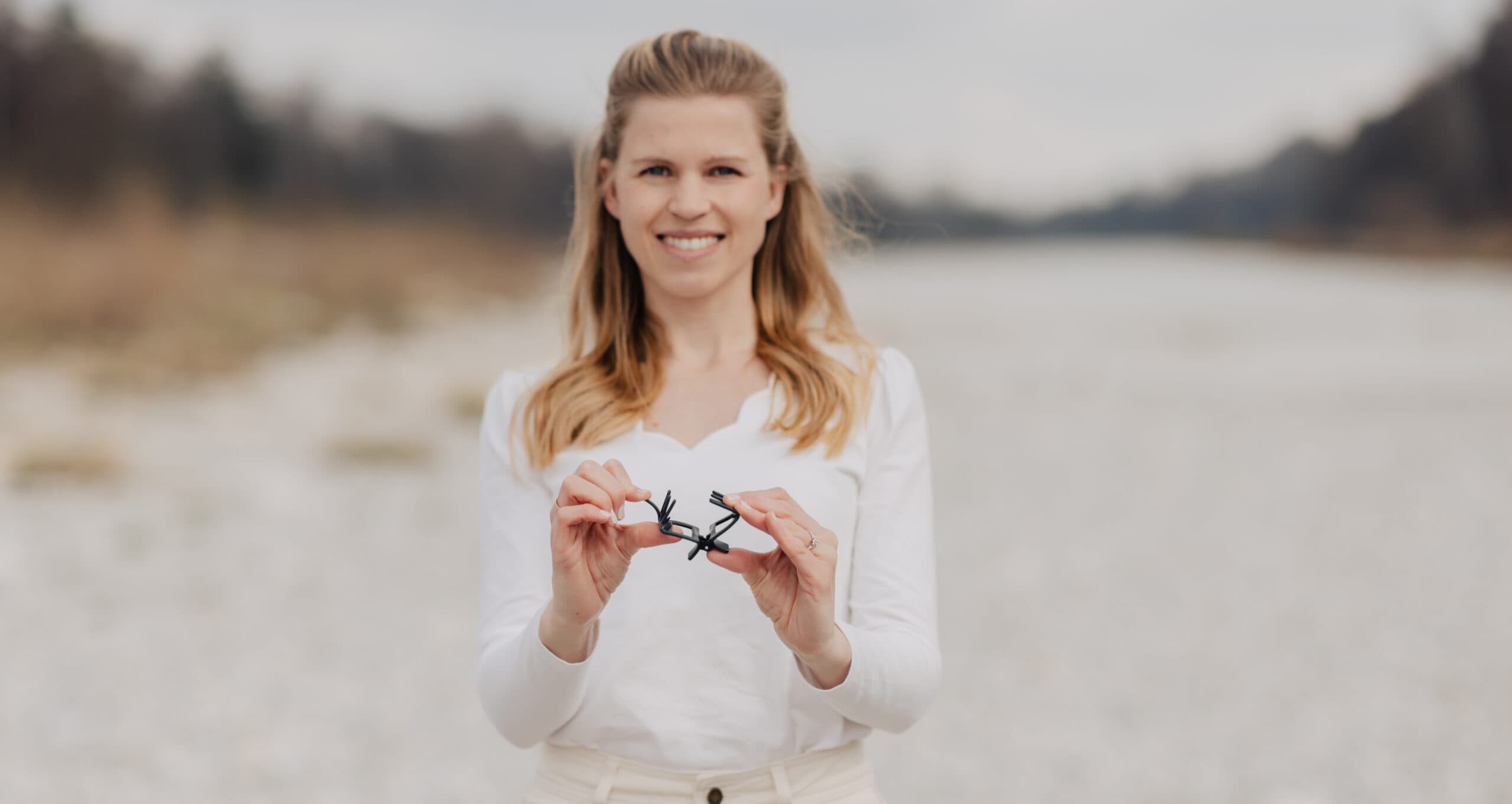

Munich Startup: Birgit, you work as an Impact Entrepreneurship & Social Innovation Manager at the Landeshauptstadt München. Before we go into more detail: How do you define ‘impact’ in your work context?
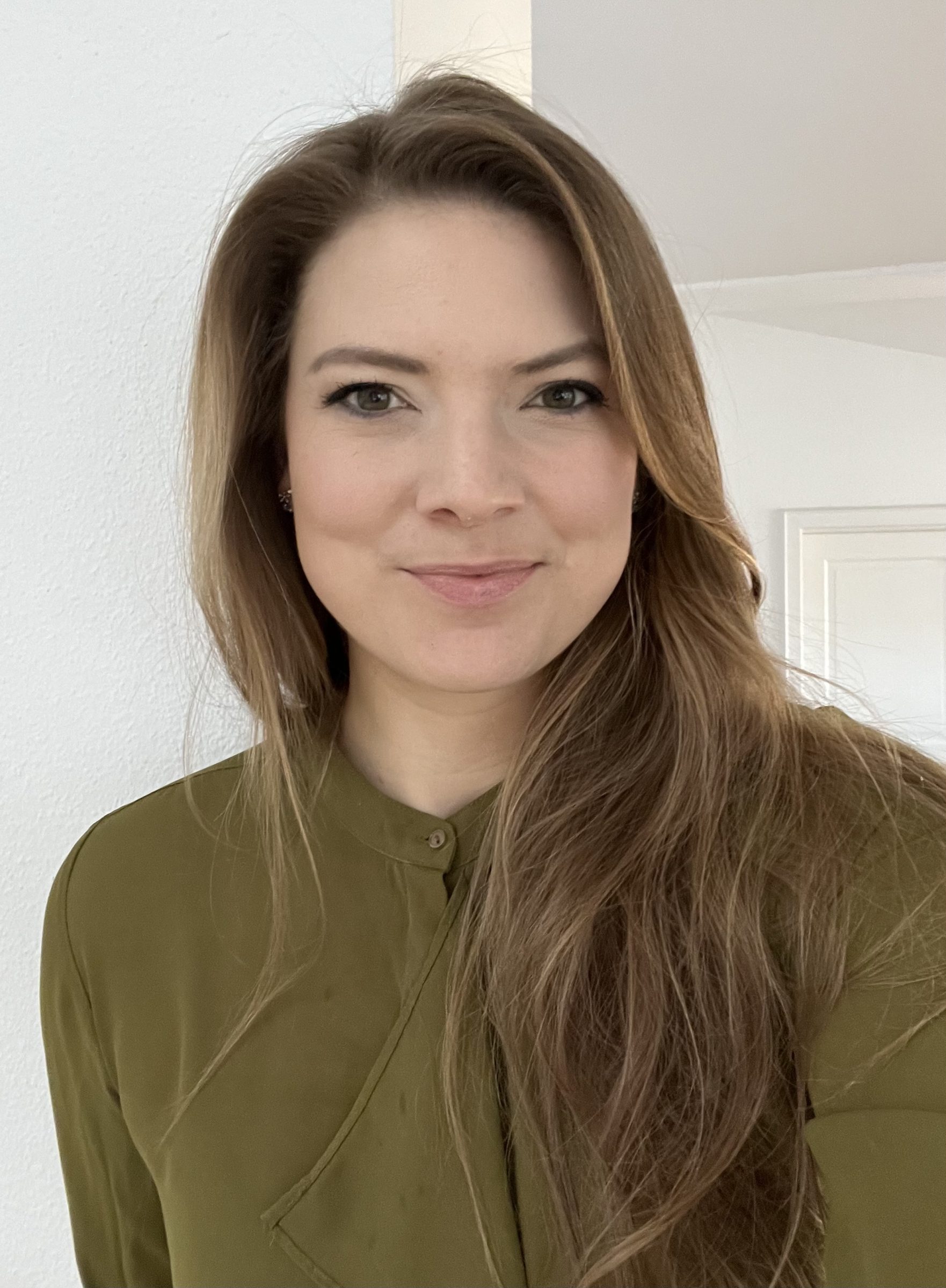
Birgit Siepmann: For me, impact refers to a positive effect within our society. This change is a process that can and should be initiated simultaneously at many points by different people. The focus is initially on awareness of a specific social or ecological issue – for example, food waste or lack of equality. An impact startup contributes with its solution to addressing the problem systemically and achieving lasting change in society. This solution typically reaches a specific target group initially. However, the overarching goal is to gradually encourage larger parts of society to change their behavior. If the impact startup solution results in positive effects across large parts of our society over time, we speak of impact.
Users are prompted by the solution to reflect on their own behavior. They are encouraged to question their personal attitudes, thinking, and actions regarding specific societal challenges. The framework for impact startups is usually one or more of the 17 SDGs (Sustainable Development Goals).
With regard to Munich’s economy, this means that we are looking for sustainable and regenerative business models that contribute at a systemic level to an inclusive economy within planetary boundaries, in order to realize the goals of the UN Agenda 2030.
Munich Startup: Impact entrepreneurship seems to be increasingly replacing the term social entrepreneurship – can you explain why?
Birgit Siepmann: I wouldn’t say that ‘impact’ is replacing the term ‘social’. However, through my work, it becomes clear to me again and again that the term ‘social’ is sometimes misinterpreted. It doesn’t refer exclusively to ‘social’ challenges, but rather to societal and ecological ones. I think the term ‘impact’ is more self-explanatory and inclusive in that regard.
In my view, real innovation only emerges through the exchange of very different disciplines and perspectives with one another. We need unusual viewpoints and creative impulses from all parts of our society, because the complex challenges of our time cannot be solved with more conventional, linear approaches. Accordingly, by using the term ‘impact’, I want to reach as many people as possible in order to achieve a positive effect in our society with the help of entrepreneurial means.
Contact person for impact startups
Munich Startup: Back to your work at the City of Munich – what exactly does your work there entail?
Birgit Siepmann: My central task is to establish the topics of impact entrepreneurship and social innovation more strongly in the relationship between administration and the economy, and to bring them more into focus for the city community.
This involves making better use of the potential in our society, initiating new ideas, and supporting existing impact startups as best as possible on their path to implementation. I am a contact person for impact startups in all phases as well as for initial ideas that need support in further development. Through our comprehensive network of partners in the Munich startup ecosystem and our affiliation with Münchner Gründungsbüro, we want to promote social innovation more strongly.
Another field of action that is particularly close to my heart is the education sector, specifically impact entrepreneurship education. There are already great actors working very passionately in this field. My goal is to systematically establish impact entrepreneurship education in Munich schools in order to reach talents and potential across society as a whole and to promote the development of solution-oriented, innovative thinking and action as early as possible.
My responsibilities also include providing impetus within the administration to, for example, make it easier for startups and SMEs to access municipal tenders. To enable the city to benefit from the innovative power and agility of small businesses, I also create connections to the relevant departments of the city authorities.
Additionally, there will be further events on impact entrepreneurship and social innovation in Munich in the future to strengthen and expand existing networks. I want to use these additional events to initiate new ideas from Munich residents in the spirit of open social innovation processes and to advance the development of sustainable, impact-driven business models. Through cooperation with existing networks, future actors should be inspired, encouraged, and supported on their journey.
Munich Startup: How exactly do you support Munich startups with your work?
Birgit Siepmann: As the central contact person for Munich impact startups, I provide expert knowledge and build bridges to further experts within and outside the city administration. Our strong Munich startup and innovation ecosystem is of central importance. I work closely with actors such as the Social Entrepreneurship Network Germany (SEND), the Social Entrepreneurship Akademie (SEA), the newly founded Social Startup Hub Bayern, or the Munich Urban Colab.
Support with funding and promotion opportunities
Frequently asked questions revolve around funding and promotion opportunities. Depending on the need, I establish connections to incubators, accelerators, or other network partners. I also provide information on specific topics such as impact measurement, which can help impact startups develop a solid foundation for arguing the measurability of their success. Here too, I work closely with our partners and institutions, such as Phineo.
For me, it’s particularly important to respond to the individual needs of startups and idea creators. Conversely, it’s also important for me to receive feedback from the startups, observe current developments, maintain broad exchange, and on this basis, participatively develop a social innovation strategy for Munich.
Munich Startup: Which Munich startups have particularly impressed you with their impact initiatives so far?
Birgit Siepmann: One of the best-known and most successful examples is certainly Recup, which is tackling the waste problem in the to-go sector with its reusable deposit system. They have since become the market leader in Germany, have been awarded numerous prizes, medals, and seals, and most recently received the ‘Social Entrepreneur of the Year’ award at the German Startup Awards last year.
A real success story for me is Social-Bee as an integration service provider for refugees. They rethink existing systems by using the temporary employment concept in a social way. Refugees are permanently employed and assigned to partner companies. To ensure the success of the measure in the long term, they work towards achieving permanent employment conversion after a maximum of eighteen months. In addition, language courses and additional qualifications are organized. Founder Zarah Bruhn has also been serving as Commissioner for Social Innovation at the Federal Ministry of Education and Research since 2022. This shows me the importance of thinking holistically and how comprehensive social innovation can be.
I’m also particularly enthusiastic about Sira, which works on the compatibility of family and work while simultaneously counteracting the skilled labor shortage. In cooperation with SMEs, they build and operate in-house mini daycare centers. For me, this clearly shows how the innovative power of startups can benefit SMEs and the city, and on the other hand, it becomes clear how all parties can benefit from social innovation: companies are supported in retaining skilled workers, parents are supported in returning to work, the city can expand its care infrastructure, and ultimately society as a whole benefits from this model.
Community Kitchen is another wonderful startup that fights food waste by creating delicious meals from rescued food and offering them fresh daily in their café. Community Kitchen has become a central meeting point where inclusion is lived as a matter of course. The team also works through environmental education projects to reduce food waste.
The developers of the Greencent app offer a loyalty points system to promote the use of sustainable mobility. With the introduction of ‘Greencent’, for example, you can pay for drinks, snacks, or fresh fruit and vegetables in Munich shops.
A hidden tip for me is the coaching platform Mellow. The team has set itself the goal of strengthening mental health in society. The clever thing is that with the help of technical solutions, the special importance of prevention becomes more prominent in society’s focus. Preventing illness with the support of a coach works like a gym for mental health, which is causing difficulties for many people in our complex world.
There are numerous other wonderful Munich startups that inspire me. This selection is meant to illustrate the diversity of ideas and possibilities.
“Almost all 17 SDGs are covered by Munich startups”
Munich Startup: How is the Munich startup scene generally positioned in the impact sector?
Birgit Siepmann: We already have some very strong startups in the impact sector in Munich and above all a great diversity. Almost all 17 SDGs are covered by Munich startups. Topics range from health and education, through sustainable consumption, reducing inequality, to affordable and clean energy and climate action measures. The potential for Munich impact startups is far from exhausted. Looking at other cities like Hamburg, Bremen, or Freiburg also confirms this – there’s still room for growth. Nevertheless, Munich is well positioned. We can strategically use our strength in the tech sector to generate more impact. Many tech-driven innovations often also have a positive effect on society. The areas can’t always be clearly separated from each other. And they don’t have to be.
Countless societal and ecological challenges still need to be solved, and new ones will continually emerge in the future. We need visionaries who are alert to the changes of our time and act with foresight to shape Munich’s economy for the future.
Munich Startup: Which impact topics do you think will gain importance in the near future?
Birgit Siepmann: The megatrends of our society – climate change, increasing urbanization, and demographic change – are particularly evident in the impact sector. The goal is to bring about lasting changes within our society. Only through collective rethinking and behavioral change across large parts of society can certain problems be solved at all. The significance and potential of impact startups for our society are therefore enormous.
An important topic that will remain important is climate protection and climate adaptation. Particularly for Munich, with its high degree of sealed surfaces, we need innovative and concrete solutions. Topics like mobility and how we handle water in the city are of central importance. We need strong networking to sustainably restructure surrounding cities and communities as well.
Our healthcare system has been heavily shaped by the pandemic in recent years. However, we face numerous other challenges here that have been pushed more into the background, for example regarding common diseases like diabetes, cancer, or heart disease. Impact startups can make a positive contribution by developing innovative solutions that target personal behavior and help address diseases preventively.
Impact startups can contribute to the further development of the education system
From my perspective, the education sector is also of central importance. Impact startups have enormous potential to make a significant contribution to the necessary further development of our education system. Our education system should be designed to prepare students as well as possible for the challenges of the future. This requires a rethink in how we view education and a stronger emphasis on the development of soft skills, the integration of technology in schools, cultural diversity, sustainability, and critical thinking. We need concrete solutions that support teachers and learners in their school day.
Related to this is the issue of skilled labor shortage, which will continue to affect us more and more in the coming years. Here, we need significantly more solutions that address different points in the system. Impact startups have the potential to counteract the growing shortage of skilled workers, for example by creating new jobs, promoting training and qualification, creating diversity and inclusion, offering more flexible working conditions, and collaborating with educational institutions. Through their impact-driven business goals, impact startups can also help attract skilled workers who identify with a particular company purpose and want to engage with a company that has a positive effect on society.
Munich Startup: Birgit, thank you very much for the interview!