

2018 was a record year for VC investments in German startups, and Munich startups also got a large piece of the pie. High time, then, to take a closer look at the Munich investor scene with its VCs and business angels. Founders who are just starting out or new to Munich will find an overview here.
In Bavaria, more than 200 companies were able to raise equity capital totaling 1.4 billion euros in 2018, according to figures from the German Private Equity and Venture Capital Association. Bavaria remains the leader in terms of the number of financed companies, with over 230 companies. A study by consulting firm EY also sees Munich among the top locations for raising venture capital.
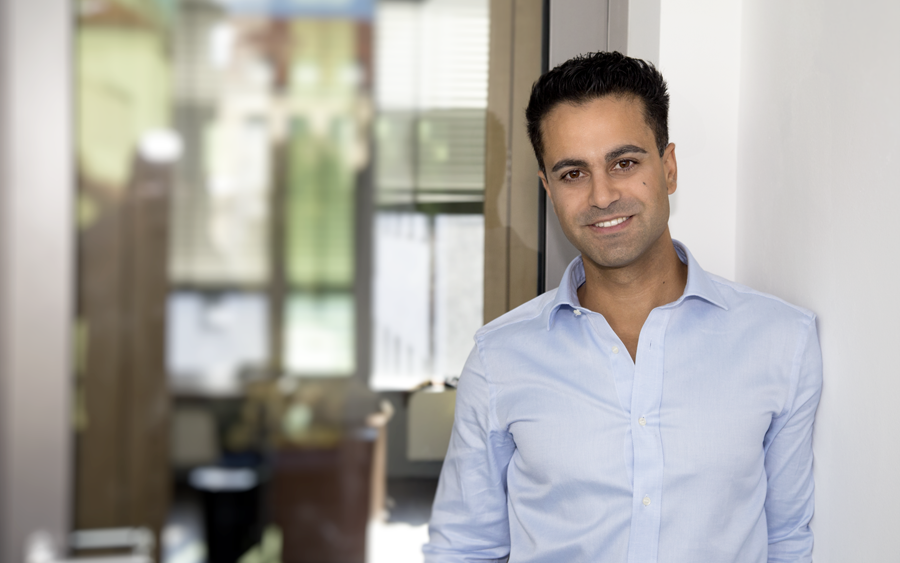
Barbod Namini, Partner at Holtzbrinck Ventures
The first question that comes up on the topic of ‘Munich investor scene’ is: Do venture capital (VC) firms and business angels really need to be based in Munich for the local ecosystem to benefit? The answer is: No, of course not. Because strong startups always find interested investors. Barbod Namini, Partner at Holtzbrinck Ventures, says about this:
“Professional investors take the city more than serious and strong entrepreneurs have consistently been able to attract both local as well as international top tier investors.”
And the figures from the Bonn-based High-Tech Gründerfonds (HTGF) for Bavaria and Munich also show: An investor doesn’t need to be based in Munich to find local startups interesting. So far, the Bavarian HTGF portfolio has invested a total of over 617 million euros in 92 companies based in the state capital (which may also include funds invested by other funders such as Bayern Kapital).
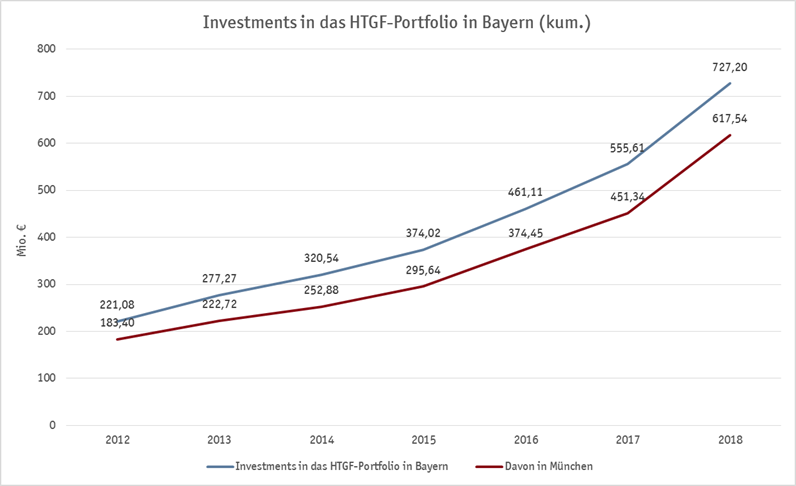
An accumulation of capital providers on site is therefore not strictly necessary for a startup. However: A well-functioning ecosystem is characterized not only by close networking of startups, corporates, policy, talent, research, knowledge providers, and many other players, but also by networking with investors.
Munich has a very diverse investor scene
So what does the investor scene in Munich look like? In Munich and the surrounding area, our map currently lists over 40 entries with the label “Investor”. From A like Acton Capital Partners to X like XAnge. This includes larger VCs like Acton, Holtzbrinck, or Target, which have their headquarters here, or the investment firm of Carsten Maschmeyer, Alstin. Then there are companies like Speedinvest from Austria, Ventech from France, or Earlybird, which are represented in Munich with a branch. Other VCs like Kurma Partners from France, Occident from Switzerland, or the investor network Prime Crowd recently opened their own offices in Munich.
Investors with a special focus
Munich is also well-equipped with investors who have a special focus. These include, for example, Ananda Ventures and BonVenture, which focus on social enterprises, or AM Ventures for 3D printing-relevant companies.
Another special feature is the investment firms of large corporations based here, such as BMW i Ventures, Fluxunit by Osram, or SevenVentures, the investment arm of media group ProSiebenSat.1. In addition, there are the countless business angels, who typically invest in different industries and technologies depending on their own background. The exact number of angels based in Munich will probably remain a secret. More on that later.
Sebastian Wossagk, managing partner of international venture capital provider Acton, assesses the local scene as follows:
“Naturally, when it comes to startups and VC in Germany, the first place people look is Berlin. One reason for this is certainly that the capital and its players make a bit more noise and are a bit more colorful. However, I don’t think that local investors are underestimated because of this.”
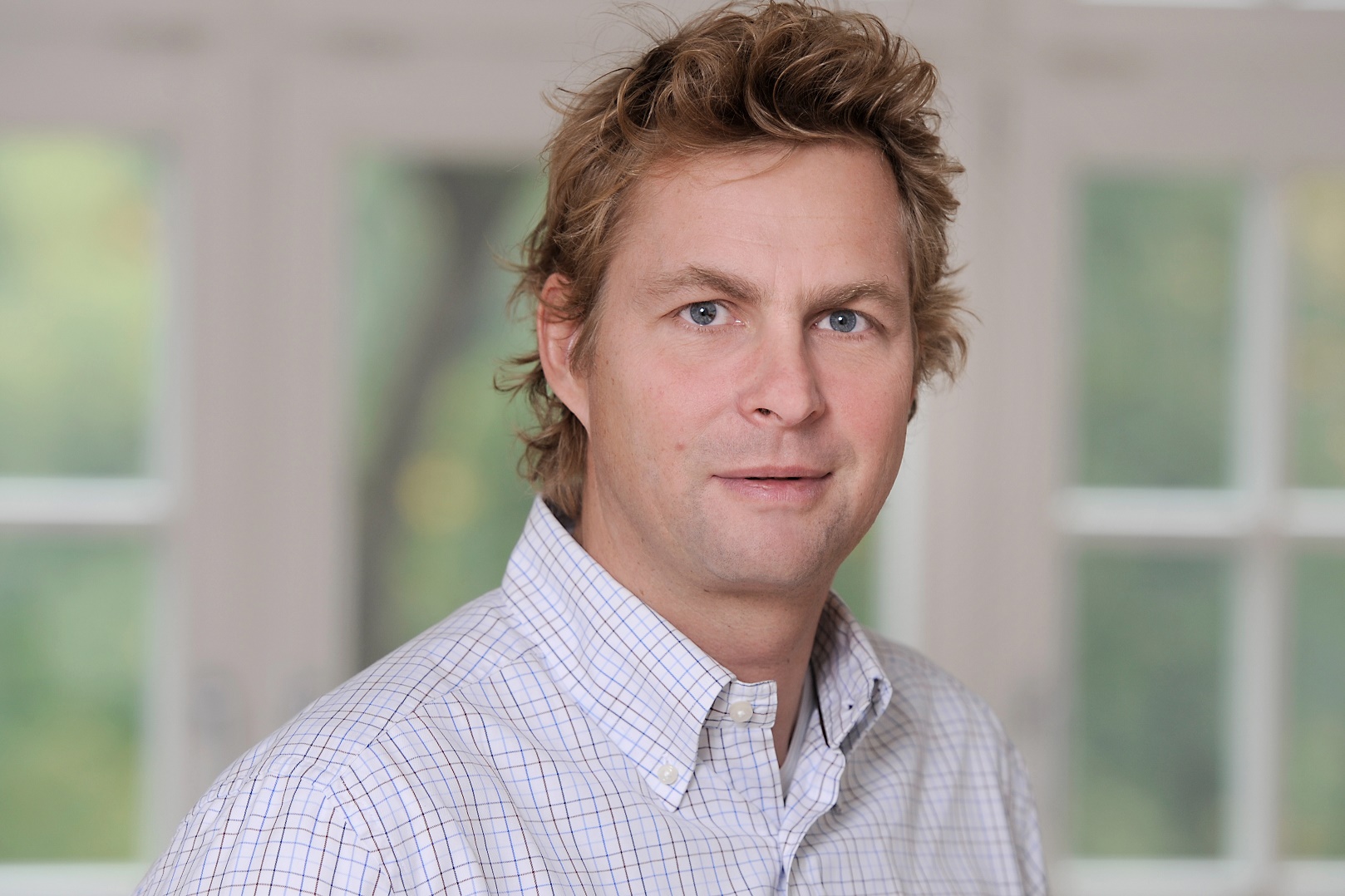
Sebastian Wossagk, Managing Partner at Acton © Acton
For Wossagk, Munich is also one of Europe’s most important tech hubs. Proximity to industry and renowned universities like TU and LMU ensures a high level of education and produces many young, motivated founders, according to the investor. He explains further:
“Moreover, some of Germany’s most experienced VCs are based here. Founders recognize this quickly and actively look for capital in Munich as well. From our perspective, the location offers decisive advantages – for example, some distance from the capital doesn’t hurt when distinguishing between substance and hype.”
Financing networks provide guidance
Financing networks that take on a brokerage role are particularly helpful. The best-known local player in this area is Baystartup, as their investor network includes around 300 private and over 100 institutional investors. In the fiscal year 2018, Baystartup mediated 62.7 million euros of seed and growth capital in a total of 50 financing rounds. In the past year, the network was also able to add around 40 new business angels to its network.
Another helpful contact point is Munich Network, which connects startups not only with mid-market and industry, but also with investors. In addition, the Alphazirkel brings startups together with its mid-market network – among the roughly 5,000 family-owned businesses are also funders. There are also various networks with industry focus: The Bioangels have a matchmaking format specifically for life sciences and healthtech, while the ESA Business Incubation Center has good contacts with capital providers in the aerospace industry. There are also a few other smaller intermediaries.
Also worth mentioning are state funding programs for startups. Additionally, it’s worth talking to Bayern Kapital, which, as the venture capital company of the Free State of Bavaria, supports innovative high-tech companies in Bavaria with equity capital. Bayern Kapital is a subsidiary of LfA Development Bank Bavaria and offers consultation days together with the High-Tech Gründerfonds. The dates for these are coordinated via Baystartup. Also worth mentioning is the Bavarian Private Equity Company (BayBG) as an important player, since according to its own information, it has invested in around 30 percent of all local startups (more information on how startups can access capital through BayBG or what sets BayBG apart from other private VCs).
Business angels in Munich
Back to business angels. Particularly in this area, the Business Angels Network Germany, or BAND for short, is trying to bring more transparency, exchange, and cooperation across regions. The “MunichAngels”, meanwhile, are a circle of Munich business angels who regularly invite startups from various sectors to pitch at dinners. Additionally, there are lists like the one on the Angel List blog. The website tries to provide a regional overview (though the blog only achieves this to a limited extent, as this gem shows).
Business angel Florian Huber spills the beans. He tells how, many years ago as founder of United Domains and Neubau Kompass, he was searching for capital and contact details of the few active business angels at the time were passed around under the table. There was no startup community back then. At least that has thankfully changed in recent years. For Huber, Munich is the second most dynamic startup location in Germany after Berlin, now with a multitude of active business angels and VCs. However, the question of transparency still arises, according to Florian Huber, who was elected ‘Business Angel of the Year’ in 2018:
“The market for startup financing – especially in the seed phase – is very opaque: investors and startups usually come together through personal networks.”
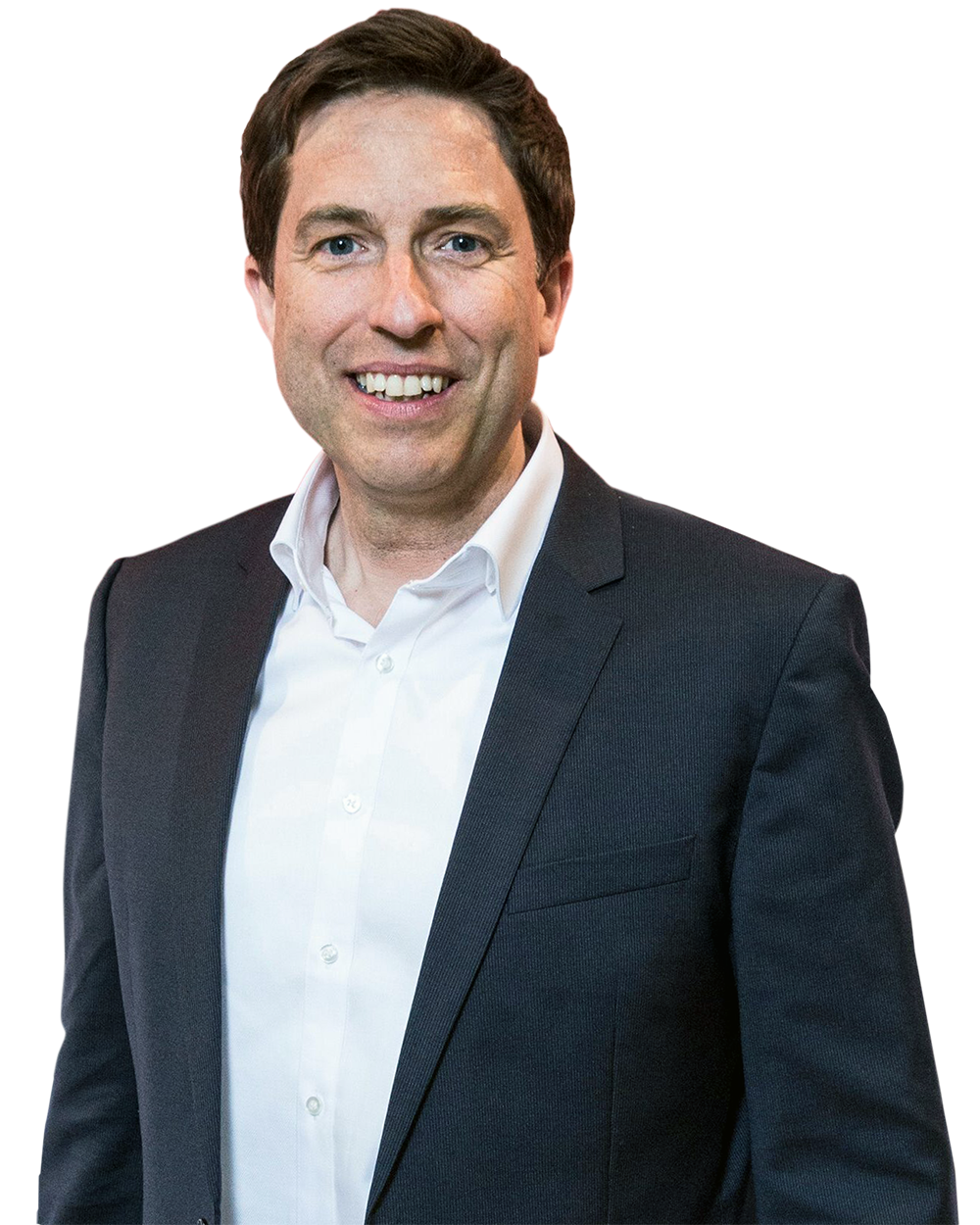 For business angels too, less ‘black box’ and more transparency would be important. That’s why Huber has done quite a bit to improve the situation from his perspective. He explains:
“As one of the few angels in Germany, I transparently list my own investments – including exits and failures – on my website. Additionally, I built www.chain.de, a directory of all German blockchain startups and blockchain investors, to create more market transparency.”
A first step that – if more angels followed the example – could bring more clarity.
Opaque – for all involved
Overall, the topic of financing is unclear for all parties involved. Because just as it is often unclear to startups who from the investor scene is currently looking for investment opportunities, a startup equally doesn’t announce to the world that it urgently needs money.
Therefore, startups should invest time in good investor relationships from the start. Starting with understanding the conventions of the industry, through maintaining existing contacts with suitable VC providers, to understanding how financing rounds work. First contact can happen, for example, by attending the right events or at pitches.
Munich events with high investor density
Specifically for Munich and startups in need of financing, we want to highlight some events with unbeatable investor density. The Cashwalk is a half-yearly event organized by LMU EC – if you’re a startup looking for financing and investors, you shouldn’t miss this pitch event.
Also interesting is the Munich Investment Forum, organized by Fraunhofer Venture as well as LMU EC, SCE, and UnternehmerTUM and held once a year. And if you want to stay in regular contact with VCs, the Venture Capital Club‘s regular meetings might be for you. Non-members can also register here.
Worth its weight in gold: A personal intro to a VC
For Barbod Namini of Holtzbrinck Ventures too, it’s important to get to know strong startups as early as possible. In addition to data-driven sourcing, he benefits from the many conferences and tech meetups that have been established across Europe over the years. However, referrals from his own network remain the most important source for him. The same probably goes for all other investors.
Therefore, personal intros to a VC prove to be the best way for startups to achieve (financing) success. Intros can come through befriended startups. Much more helpful, however, are personal contacts through accelerators or participation in pitches and competitions like the Munich Business Plan Competition. Startups should avoid cold outreach to investors, says Carsten Rudolph, Managing Director of Baystartup:
“I can’t recommend any startup to blindly approach any VC. The scene thrives very much on personal referrals. So try to get to the VCs through a personal recommendation! That should be the preferred route for a startup.”
Transparency in all respects?
Rudolph also advises every company to carefully consider who they develop trust with to discuss financing questions or details about their business idea. Also Boris Hardi, founder of Capmatcher and business angel, names this aspect very clearly:
“Transparency in fundraising is only good if, as a startup, you have control over who gets what information.”

Boris Hardi © Capmatcher
For general exchange among the players, however, transparency is important, Hardi also believes:
“When it comes to the industry and the community, transparency is certainly good and important. Startups can exchange information and also meet informally with VCs and business angels.”
Providing clarity and an overview of the local investor scene – that’s what we’re trying to do with this article, which is meant to serve as an introduction to the topic. For those who want to dive deeper, our map provides an overview of registered investors (also as a list). In our many interviews, investors like Munich Venture Partners, Senovo, or Tiburon willingly provide insights into their work and tell what matters to them, how negotiations work, and at which events they can be found.